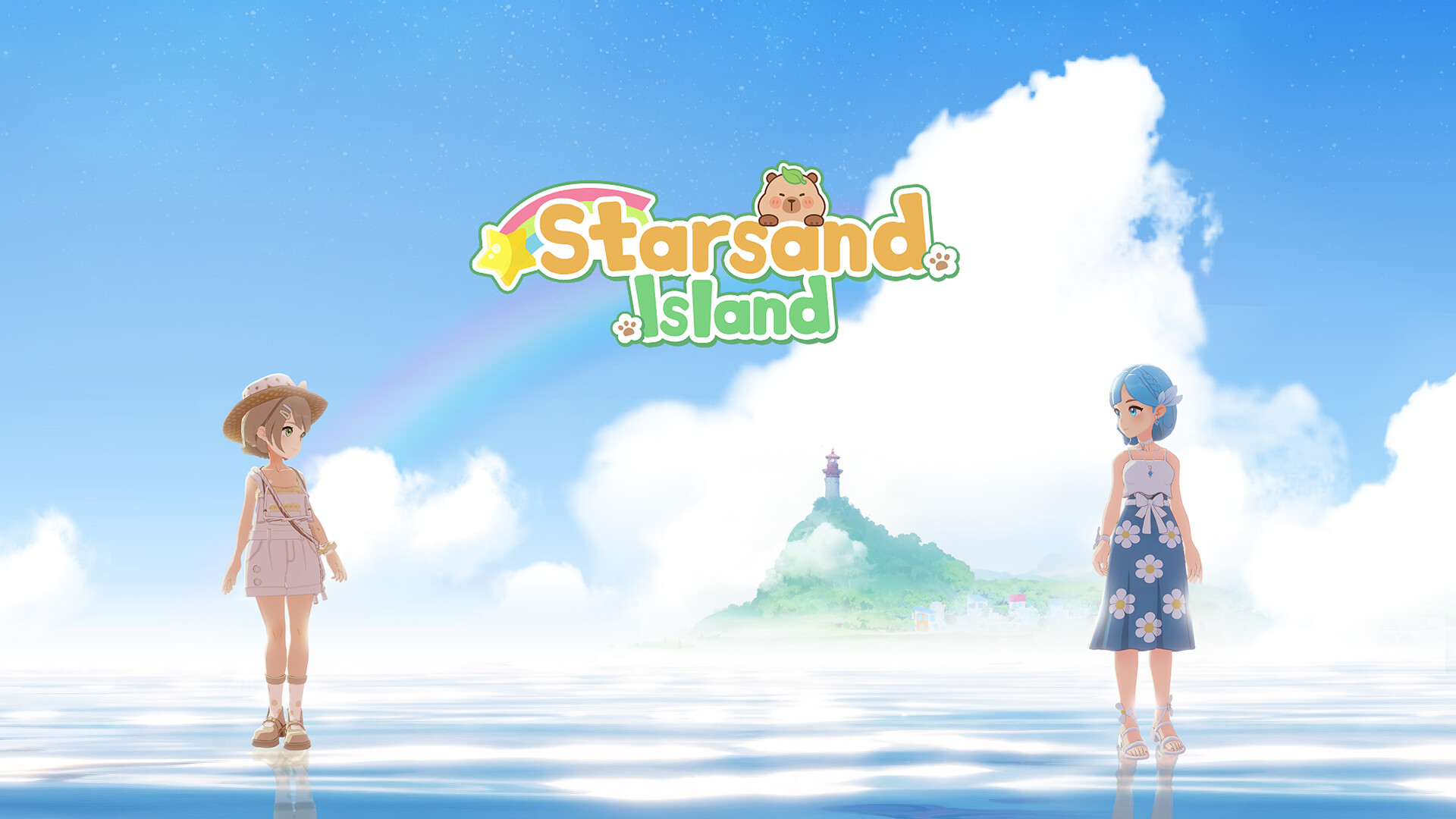
Starsand Island
Overview
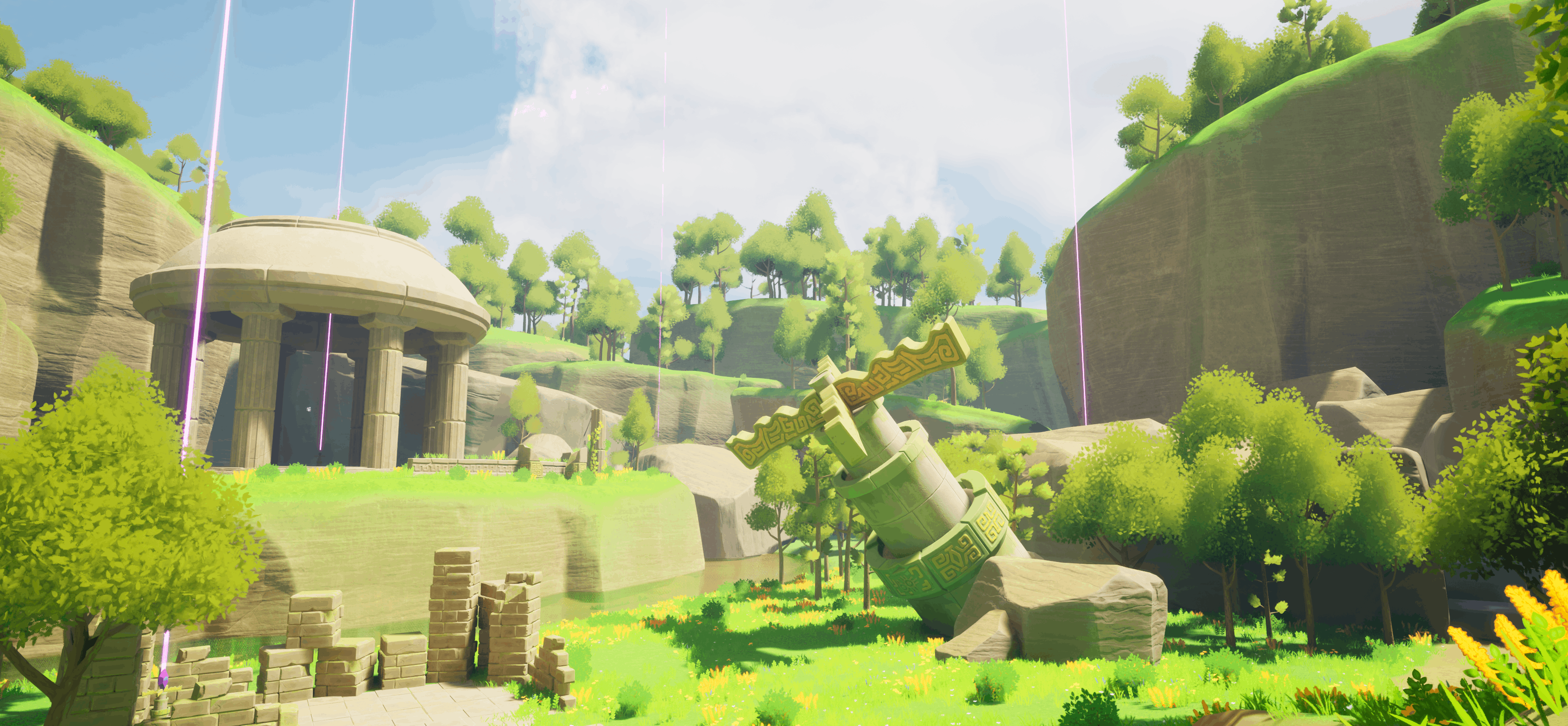
Starsand Island is a cozy open-world life simulation game centered around exploration, farming, building, and social interaction. Players drive various vehicles to explore the island and build heartwarming relationships with local NPCs.
I joined the project as a Game Design Intern at Seasun Games, working directly under the level team leader to design and implement game systems that enriched the world’s immersion and liveliness.
My Contributions
🗓️ NPC Schedule System
I independently designed and implemented routine, weather-specific, and festival schedule logic for multiple NPCs, covering:
- Daily routines based on character personality and role
- Dynamic schedule changes triggered by weather conditions (rain, sunshine, storms)
- Festival-specific behaviours that align with seasonal events
This system significantly increased the sense of a living world, making NPCs feel like real inhabitants rather than static props.
🎪 Beach Festival Event
I deeply participated in designing the “Beach Festival” — one of the game’s major seasonal events. My responsibilities included:
- Planning atmospheric Points of Interest (POIs) across the festival grounds
- Scripting the climax performance sequence — a multi-stage event that brings the festival to a memorable high point
- Cross-discipline collaboration with art, engineering, and narrative teams to ensure the event delivered a complete and cohesive experience loop
The festival was successfully shipped and received positive player feedback for its atmosphere and pacing.
Tech Stack
| Tool | Purpose |
|---|---|
| Unity (C#) | Game engine & scripting |
| Internal Event System | NPC schedule & trigger logic |
| SVN | Version control |
| Internal Design Tools | Level layout & POI planning |
Takeaways
Working on a commercial project at this scale was a huge step up from personal projects. I learned how to:
- Operate within a large codebase with existing conventions and architecture
- Communicate design intent clearly across disciplines under tight deadlines
- Iterate rapidly based on feedback from leads and playtests
- Document thoroughly — design specs, handoff notes, and bug reports all mattered